Entry · Ref BKHKTUPH
What to Know About Sedation and Wisdom Teeth Removal in Oxnard CA
- Posted
- 2026-09-28
- Last amended
- 2026-09-28
- Account
- @keeganxovi666
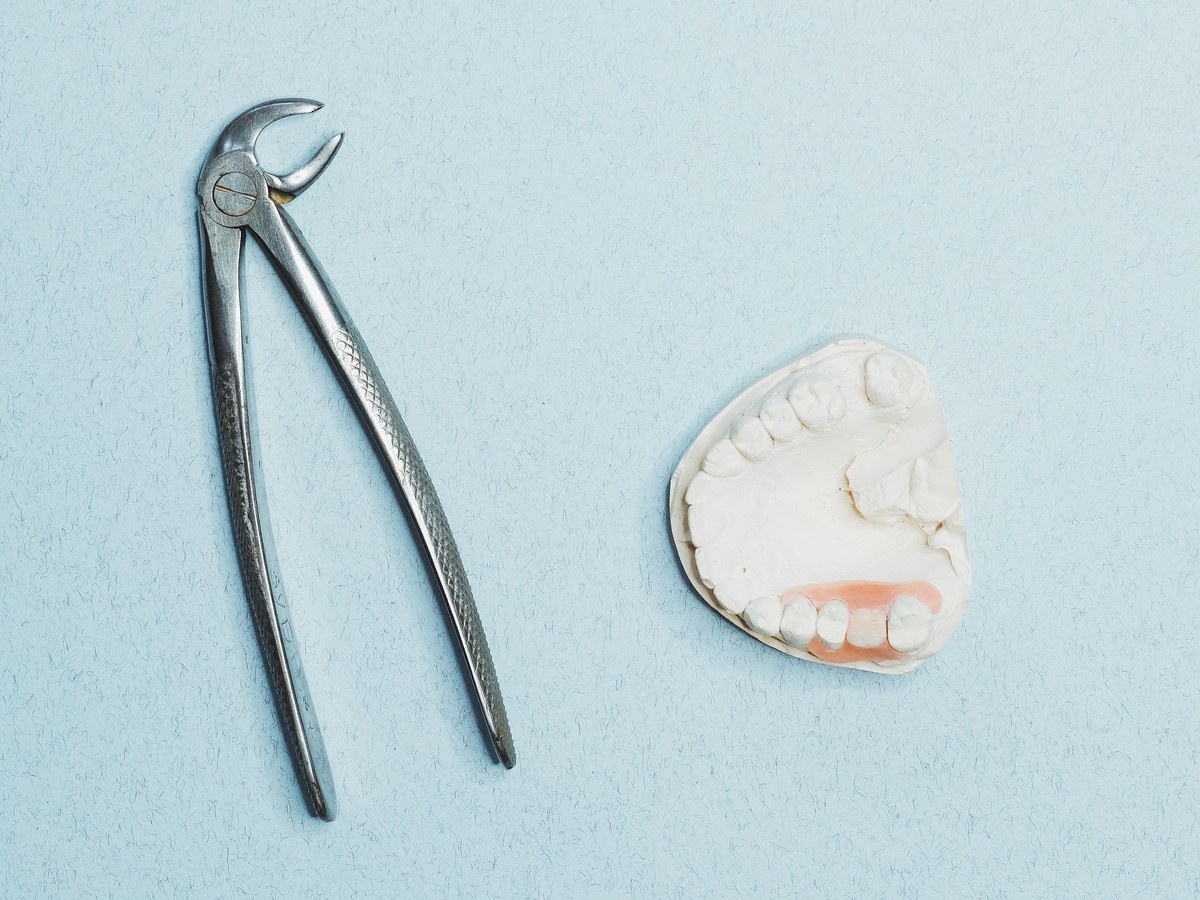
For many patients, the hardest part of scheduling wisdom tooth surgery is not the procedure itself. It is the anticipation. People worry about pain, gagging, pressure, hearing instruments, feeling out of control, or simply sitting still while an oral surgeon works in a part of the mouth that already feels crowded and tender. Sedation changes that experience significantly, which is why it comes up early in almost every consultation for Wisdom Teeth Removal Oxnard CA.
Sedation is not one single thing. It is a range of options that can be matched to the complexity of the extraction, the patient’s medical history, and the level of anxiety involved. That is where good judgment matters. A healthy 17 year old with straightforward upper wisdom teeth and very little fear may need something very different from a 32 year old with deeply impacted lower teeth, a strong gag reflex, and a history of panic during dental care.
Patients often assume sedation is chosen mainly for comfort. Comfort is part of it, but efficiency and safety matter just as much. If a patient can remain relaxed and cooperative, the surgeon can work more precisely. Muscles stay less tense. The jaw is easier to position. The appointment often moves along more smoothly, which can reduce total time under treatment.
What follows is a practical look at how sedation fits into wisdom tooth removal, what the common options mean in real life, and what patients in Oxnard should think through before the day of surgery.
Why sedation is so common with wisdom teeth
Wisdom teeth are not all alike. Some fully erupt and can be removed with relative ease. Others remain trapped under gum tissue or bone. Lower wisdom teeth, in particular, can be more involved because of their position in the jaw and their proximity to important nerves. When teeth are impacted or angled awkwardly, the extraction can require more time and more surgical manipulation.
That is one reason sedation is frequently recommended. Another is the age group. Wisdom teeth are often removed in the late teens or twenties, and many younger patients have never had oral surgery before. They do not know what to expect, which tends to amplify fear. Even adults who have handled routine dental visits without a problem may discover that surgical treatment feels different psychologically.
There is also a practical side. A patient who is calm usually breathes more evenly, keeps their hands still, and follows directions more consistently. If you have ever seen someone tense their shoulders, clench their fingers, and brace the moment an instrument comes into view, you can appreciate how much that tension changes the entire appointment.
Sedation can also help patients who are not especially anxious but have physical issues that make dental treatment harder. A very active gag reflex is a common example. Limited ability to open wide, jaw soreness, sensory sensitivity, or difficulty tolerating the sounds and pressure of surgery can all influence the decision.
The main sedation options, in plain language
The word “sedation” tends to blur together in everyday conversation, but there are important differences between methods. During a consultation, the surgeon typically explains what each option can and cannot do.
- Local anesthesia only numbs the surgical area so you do not feel sharp pain, though you may still notice pressure, movement, and sounds.
- Nitrous oxide helps many patients relax while staying awake and responsive, and it tends to wear off quickly.
- Oral sedation involves prescribed medication taken before the appointment, usually to reduce anxiety and create drowsiness.
- IV sedation is administered through a vein and is often used for more complex extractions or higher anxiety because it provides a deeper, more controlled level of sedation.
Local anesthesia is the nonnegotiable foundation. Even when IV sedation is used, the mouth is still numbed. That is because sedation reduces awareness and anxiety, while local anesthetic blocks pain signals in the actual surgical area.
Nitrous oxide is often underestimated. For the right patient, it can work very well. Someone with mild anxiety and relatively simple extractions may do perfectly fine with nitrous plus local anesthesia. It wears off quickly, and recovery tends to be easier than with heavier sedation. On the other hand, nitrous is not always enough for patients with severe anxiety or for procedures expected to take longer.
Oral sedation can be helpful, but it has limitations. Since the medication is swallowed, the timing and depth of effect can vary from person to person. One patient may feel pleasantly relaxed, while another feels only mildly drowsy. That variability is one reason some surgeons prefer IV sedation for more involved cases.
IV sedation is often what patients mean when they say they want to be “asleep,” even though that is not always medically the same as general anesthesia. In many oral surgery settings, patients under IV sedation are in a deeply relaxed, reduced-awareness state and often remember little or nothing about the procedure. For anxious patients, that can be a major relief. It also allows the surgical team to adjust medication in real time rather than hoping an oral medication peaks at just the right moment.
Who is a good candidate for deeper sedation
A consultation is not just about looking at X-rays and choosing a day on the calendar. It is also about deciding whether sedation is appropriate and, if so, which type makes the most sense.
Anxiety level is the most obvious factor, but it is far from the only one. The position of the teeth matters. Fully erupted upper wisdom teeth may be relatively straightforward, while deeply impacted lower teeth can require sectioning the tooth and working under gum tissue and bone. A patient’s age can matter too. Younger patients often heal faster, but older adults may have denser bone or more complicated root development, which can influence surgical planning.
Medical history also plays a central role. Conditions involving the airway, heart, lungs, blood pressure, or certain neurologic issues may change the sedation recommendation. Sleep apnea, obesity, asthma, acid reflux, and medication use are not automatic disqualifiers, but they need to be discussed openly. The same is true for cannabis use, alcohol intake, vaping, and smoking. Patients sometimes leave these details out because they assume they are unrelated or feel embarrassed. They are related, and the surgeon needs accurate information to plan safely.
Weight, prior reactions to anesthesia, and a history of nausea after surgery can all affect the plan as well. If a patient has fainted during blood draws, had severe anxiety in medical settings, or taken sedatives before with poor results, that is useful context. None of it is trivial.
For teens, parents often ask whether sedation is “necessary” or just a comfort upgrade. In practice, it can be both. If a teenager is calm, cooperative, and having simple extractions, a lighter option may be enough. If they are terrified, highly sensitive, or facing difficult impactions, deeper sedation may make the whole experience safer and more manageable.
What a consultation should cover before wisdom tooth surgery
A solid consultation should leave you with a clear picture of what is being removed, how involved the surgery is likely to be, and why a certain sedation option is being recommended. If those points remain fuzzy, ask for clarification. Patients are often nervous and do not realize how much they missed until they get home.
The conversation should include whether all four wisdom teeth need removal or only some of them. It should cover whether the teeth are erupted, partially erupted, or impacted. It should also address risk zones, especially the position of lower roots relative to the inferior alveolar nerve. In some cases, a panoramic X-ray gives enough information. In other cases, a 3D scan may be recommended for better surgical planning.
Sedation planning should be individualized. A surgeon may recommend IV sedation because the extraction looks difficult, because the patient has significant anxiety, or because both are true. That reasoning should be stated plainly. Good practices do not push sedation as a one size fits all add-on. They explain the trade-offs.
Cost is another piece patients should address directly. Sedation can affect total fees, and insurance coverage varies. Wisdom Teeth Removal Oxnard CA searches often lead patients to compare offices quickly, but price comparisons are not meaningful unless you know what is included. One quote may cover consultation, imaging, sedation, surgery, and follow-up. Another may separate them. Ask for specifics.
How to prepare for the day of surgery
Preparation reduces avoidable problems. When patients get into trouble before wisdom tooth removal, it is often because they misunderstood fasting instructions, took the wrong medication, forgot to arrange a ride home, or assumed “a little coffee” would not matter.
Most offices provide written instructions. Read them carefully, even if you think you already know the drill from a prior surgery. Details can vary depending on the type of sedation and your medical history.
- Follow fasting instructions exactly, including rules about water, gum, mints, and coffee.
- Confirm which regular medications you should take or skip the morning of surgery.
- Arrange a responsible adult to drive you home and stay with you if the office advises it.
- Wear comfortable clothing with short sleeves or sleeves that roll up easily if IV sedation is planned.
- Fill post-op prescriptions ahead of time when possible, so you are not making pharmacy stops while groggy.
Patients occasionally push back on fasting rules because they feel hungry, shaky, or convinced that a small snack will help. This is one area where “close enough” is not good enough. Sedation affects protective airway reflexes. Food or liquid in the stomach can increase the risk of complications. If you accidentally eat or drink outside the permitted window, call the office and be honest. It is far better to reschedule than to proceed unsafely.
If you are getting IV sedation, leave valuables at home, remove contact lenses if instructed, and skip makeup or heavy facial products. These are small details, but they make monitoring and recovery easier.
What the appointment usually feels like
One of the best ways to lower anxiety is to replace vague fear with a realistic picture of the day. Most wisdom tooth surgery visits move through a predictable sequence.
When patients arrive, the team reviews medical information and confirms the plan. If IV sedation is being used, monitors are typically placed so the staff can track blood pressure, heart rate, oxygen levels, and other key signs. The IV is started, and the sedation medication begins working fairly quickly. For nervous patients, that transition is often the moment they visibly relax.
With nitrous oxide, the experience is different. Patients breathe through a nosepiece and usually feel lighter, calmer, and less keyed up. They remain awake and can still respond to instructions. Some describe a floating sensation. Others just notice that they care less about what is happening.
After the area is numb, the surgeon begins the extraction. Even without deep awareness of the procedure, patients may feel pressure or vibration because those sensations are not the same as pain. That distinction matters. People sometimes worry that pressure means the anesthetic is not working. It does not. Oral surgery often involves controlled pressure, and that is expected.
With IV sedation, many patients later say it felt like no time passed at all. They remember sitting in the chair, then waking up in recovery. That amnesia effect is one reason this option is so appealing to highly anxious patients. It does not make the surgery shorter, but it often makes the experience feel shorter.
Safety questions patients should ask
Sedation is routine in oral surgery, but “routine” should never mean casual. The right office takes monitoring, emergency preparedness, and patient screening seriously. If you are comparing practices, pay attention not just to friendliness and scheduling, but to how thoroughly they discuss safety.
Ask who will administer and monitor the sedation. Ask what credentials and training are involved. Ask how your health history affects the plan. If you have sleep apnea, https://zandertaqo428.stonefielddigest.com/posts/why-delaying-wisdom-teeth-removal-in-oxnard-ca-can-cause-problems severe anxiety, asthma, or a history of difficult anesthesia, bring it up before the day of surgery, not while you are checking in.
You should also ask what to expect afterward. Some patients are fully steady within a few hours. Others remain groggy for much of the day. The office should tell you how long to avoid driving, signing important documents, going back to work, or being left alone. Recovery advice should be specific, not vague.
Recovery is shaped by the sedation choice, but not only by sedation
People sometimes assume that if they choose deeper sedation, recovery will automatically be harder. Sometimes that is true, but the full picture is more nuanced. The surgical difficulty often has a bigger influence on soreness, swelling, and downtime than the sedation method itself.
A patient with four impacted wisdom teeth removed under IV sedation may wake up comfortable and grateful, then have several days of swelling because the extractions were extensive. Another patient with two simple upper teeth removed under local anesthesia may feel mentally clear right away and have almost no swelling. Those are different surgeries, not just different sedation experiences.
That said, deeper sedation can bring temporary grogginess, nausea, or disorientation. Some patients sleep most of the day. Others feel fine by afternoon but still should not make decisions they will not remember clearly. It helps to set the day aside completely, even if you end up feeling better than expected.
Pain control after wisdom tooth removal often relies on a combination of strategies rather than a single strong medication. Ice, rest, hydration, and keeping ahead of discomfort in the first 24 to 48 hours all matter. So does following food instructions. A smoothie, yogurt, eggs, mashed potatoes, soup that is not too hot, and other soft foods are common early choices. A patient who tries to eat chips the first night because “the numbness wore off and I felt okay” often regrets it.
Common misconceptions about being “put to sleep”
Patients use casual phrases for sedation, and that is understandable, but the wording can create confusion. “Being asleep” can mean very different things medically. In many oral surgery offices, IV sedation creates deep relaxation and limited memory, yet it may not be the same as hospital-based general anesthesia with full airway control.
Why does that distinction matter? Because informed consent matters. You should know what level of sedation you are receiving, how it will be monitored, what you are likely to remember, and what the realistic risks are. For most healthy patients having wisdom teeth removed in an outpatient setting, sedation is very safe when properly planned and monitored. Even so, safety comes from precision, not from casual shorthand.
Another misconception is that sedation removes every sensation. It does not always remove all awareness, and it is not designed to replace local anesthesia. Its job is to reduce anxiety, awareness, and distress. Local anesthetic handles pain. When those tools are combined appropriately, patients usually do very well.
When local anesthesia alone may be enough
Not every wisdom tooth case needs deeper sedation. This is worth saying clearly because many patients assume that oral surgery automatically requires it. It does not.
If a tooth is fully erupted, accessible, and uncomplicated, and if the patient is calm and medically suited for a lighter approach, local anesthesia alone may be entirely reasonable. Some adults prefer that route because they want to drive themselves, return to normal activities sooner, or avoid feeling groggy. There is nothing inherently tougher or more responsible about going without sedation, and there is nothing indulgent about choosing it. The right choice is the one that matches the case and the patient.
I have seen patients who came in convinced they needed full sedation for a simple extraction, then did beautifully with local anesthesia and left surprised by how manageable it was. I have also seen patients insist they could “push through it,” only to realize during consultation that their anxiety was so intense that it would make the surgery more difficult for everyone involved. Both situations happen.
Oxnard-specific considerations that matter in real life
Patients seeking Wisdom Teeth Removal Oxnard CA often balance more than clinical details. Scheduling around school at Oxnard College, commuting to Ventura or Camarillo, farm and field work with early starts, and family responsibilities all influence when people book surgery and what kind of support they have afterward.
That practical reality affects sedation planning more than many realize. If your ride home has limited availability, if you live alone, or if your work makes it hard to take an extra day off, talk about that early. It should not determine the clinical decision, but it helps the office guide you more effectively. A patient having IV sedation needs a different recovery plan than someone having local anesthesia only.
The local climate matters too. Warm weather can make dehydration more likely if patients are not paying attention after surgery. Mouth breathing while resting, taking pain medication, and eating less than usual can leave people feeling dried out fast. Sipping fluids regularly, within the office’s instructions, becomes more important than many expect.
Red flags after surgery
Most recoveries are straightforward, but patients should know when something feels outside the normal range. Some swelling, oozing, jaw stiffness, and fatigue are expected. Sharp worsening pain after initial improvement, fever, uncontrolled bleeding, persistent vomiting, or trouble breathing are different matters and deserve prompt contact with the surgeon.
A dry socket is one of the most talked-about complications because it hurts, often more than patients expect. It is not caused by sedation, but by disruption or loss of the protective blood clot in the extraction site. Smoking, vaping, forceful spitting, and using straws too soon can increase risk. This is one of those areas where post-op instructions sound repetitive until you see how much trouble ignoring them can cause.
Numbness that lasts longer than expected should also be reported, especially after lower wisdom tooth surgery. Temporary altered feeling in the lip, chin, or tongue can occur in some cases, particularly when roots are close to nerves. This is something a surgeon should discuss before surgery if it appears relevant on imaging.
Making the right decision for your situation
The best sedation plan for wisdom tooth removal is not the deepest option by default, and it is not the lightest option by principle. It is the one that fits the anatomy, the medical history, the anxiety level, and the practical realities of recovery.
A good consultation should make you feel informed rather than sold to. You should understand whether your case is simple or complex, why a certain sedation option is being recommended, what you need to do to prepare, and what the first couple of recovery days are likely to look like. If you walk out with those answers, you are in a much stronger position than someone choosing based on fear alone or price alone.
For many patients in Oxnard, sedation turns wisdom tooth surgery from an experience they dread for months into one they remember only vaguely, if at all. That can be a real benefit. The key is choosing carefully, asking direct questions, and treating preparation as part of the procedure, not an afterthought.
Oxnard Dentistry
1730 E Gonzales Rd
Oxnard, CA 93036, United States
Phone: +1 805-307-8731
FAQ About Wisdom Teeth Removal Oxnard CA
How much does it cost to get wisdom teeth removed in California?
Fees depend on tooth position, the number of extractions, imaging and anesthesia. Oxnard Dentistry can provide an individual estimate after examining your teeth. Ask for an itemized plan and confirm insurance benefits before scheduling.
Will insurance cover wisdom teeth removal?
Coverage and out-of-pocket costs vary by policy and the treatment required. Ask the dental office and your insurer to verify benefits, annual limits and any authorization requirements. A benefit estimate does not guarantee payment.
Is 30 too old to have wisdom teeth removed?
Age alone does not determine whether extraction is appropriate. A dentist evaluates symptoms, tooth position, oral health and medical history. Healthy, functional wisdom teeth may be monitored; teeth causing disease or other problems may need treatment.